
Kitchen Remodel Cost Guide: Part 1: Cost tiers and the real Austin price range · Part 2: Hidden costs, smart trade-offs and where the money goes · Part 3: Timeline, ROI, estimates and FAQs
In Part 1, we broke Austin kitchen remodels into three realistic tiers: finish updates, custom mid-range remodels, and fully custom luxury kitchens. The next question is where the money actually goes and why Austin-area homes often cost more to remodel than national averages suggest.
Where does the money actually go? A $75,000 kitchen, broken down
One of the biggest misconceptions I see is homeowners assuming most of the budget goes to cabinets or countertops alone. A kitchen remodel is made up of a lot of moving parts, and understanding the breakdown helps you make smarter decisions during planning.
On a typical $75,000 kitchen remodel in the Austin area, the budget usually breaks down something like this:
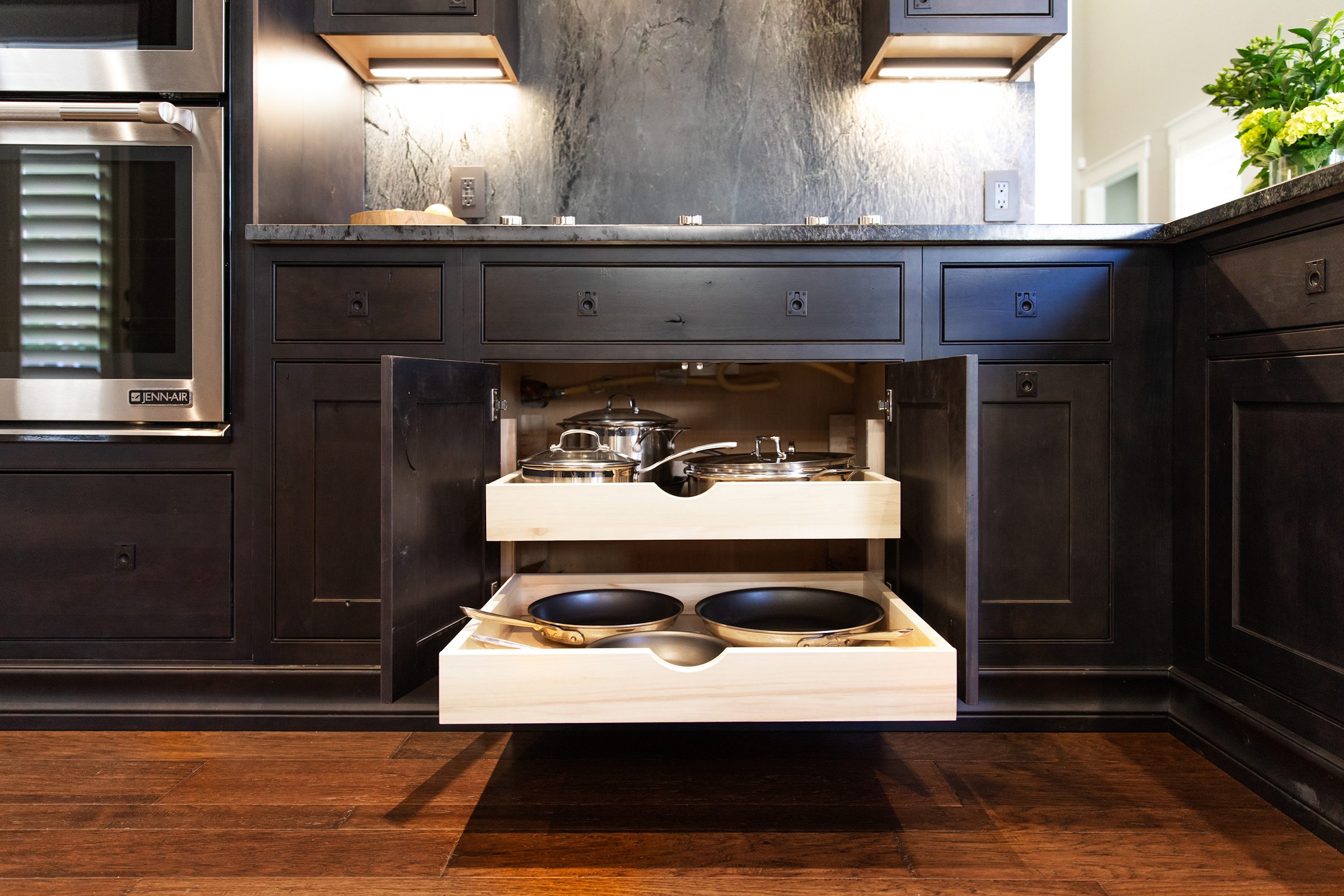
- Cabinetry and storage: often 30-40% of the budget once you move into semi-custom or custom designs.
- Labor and installation: commonly 20-25%, depending on demolition, trade work, site conditions and schedule.
- Countertops, backsplash and finish materials: the visible surfaces that define the final look.
- Electrical, plumbing and lighting: the infrastructure that makes the new layout function correctly.
- Appliances, flooring, permits and contingency: the items that can quietly change the final number if they are not planned clearly.
In most projects, cabinetry is the single largest investment, especially once you move into better storage, larger islands, soft-close systems, pantry organization and quality materials.
What surprises a lot of Austin homeowners is how quickly labor and infrastructure work adds up. In older homes throughout Round Rock, Cedar Park and Pflugerville, once demolition begins we sometimes find outdated plumbing, needed electrical upgrades, uneven flooring, or previous remodel work that was not done correctly. None of that shows up in a finished-kitchen photo online, but it is very real once the walls are open.
Why kitchen remodels cost more in Austin than the national average
Austin is a very different remodeling market than the averages you read online, for a few specific reasons.
Our housing stock. A huge share of homes in Austin, Round Rock, Cedar Park and Pflugerville were built in the 80s and 90s. A kitchen may look like it only needs cabinets and countertops, but the real costs often come from what is hidden: outdated plumbing, overloaded electrical panels, water damage, or earlier remodel work that was never done right.
Permits and inspections. As the city has grown, permit timelines, inspections and labor costs have all increased significantly. These are real line items, not afterthoughts.
Local demand. Austin’s rapid growth keeps skilled trade labor in high demand, which affects pricing across the board.
The good news is that nearly all of these issues can be managed when the project is planned the right way from the start. Before we begin any kitchen remodel, we walk the property carefully, discuss potential risks upfront, and help homeowners understand where their budget should really go instead of focusing only on cosmetic upgrades.
A real Austin kitchen project: when the plan changed behind the walls
A homeowner in an older home near Austin planned what they thought would be a straightforward update: new cabinets, countertops, backsplash and a larger island. It started squarely in the mid-range tier. But once demolition began, we discovered that original plumbing and electrical inside the walls had never been properly updated from renovations done years earlier.
The homeowner wanted a much larger island with a prep sink and additional lighting, but the electrical panel was already overloaded and several plumbing lines under the slab had been patched multiple times. At first, the client was frustrated. They thought we were weeks away from installing cabinets, and suddenly we were talking about infrastructure repairs they never expected.
Instead of handing them a bigger bill and pushing forward, we paused and walked through every option together. We built two plans: one that kept the original layout with minimal upgrades, and one that solved the underlying issues correctly while protecting the budget where possible.
In the end, they chose to update the plumbing and electrical while simplifying a few cosmetic selections that mattered less long term. That decision probably saved them a significant amount in future repairs. Once everything behind the walls was corrected, the kitchen came together beautifully with a large island, custom lighting, better workflow and a more open feel.
Where to spend and where to save
After years of remodeling kitchens here, my advice comes down to one principle: spend money on the things you touch and use every single day, and be smarter about the things that are mostly for show.
Worth the investment
Cabinetry and layout functionality. Better drawer systems, solid construction, deeper storage, quality hardware and a well-designed layout affect your daily life far more than people realize.
Lighting. Good under-cabinet lighting, pendants and layered lighting can make even a mid-range kitchen feel high-end.
Organization features. Pull-out trash systems, spice storage, deep drawers and functional pantry layouts add more real-life value than flashy upgrades people rarely use.
Where to save
Appliances. Not every kitchen needs the most expensive appliance package on the market. In many cases I would rather see a homeowner invest in better cabinetry and a smarter layout, then choose solid mid-range appliances from reliable brands.
Trend-chasing materials. People sometimes overspend on extremely exotic countertop materials or trendy design features that look impressive for a year or two but do not age well. A clean, timeless kitchen with quality craftsmanship almost always holds its value better.
Continue the guide: Part 3 covers timeline, resale value, lowball bids, FAQs and how to start your remodel with a realistic plan.